
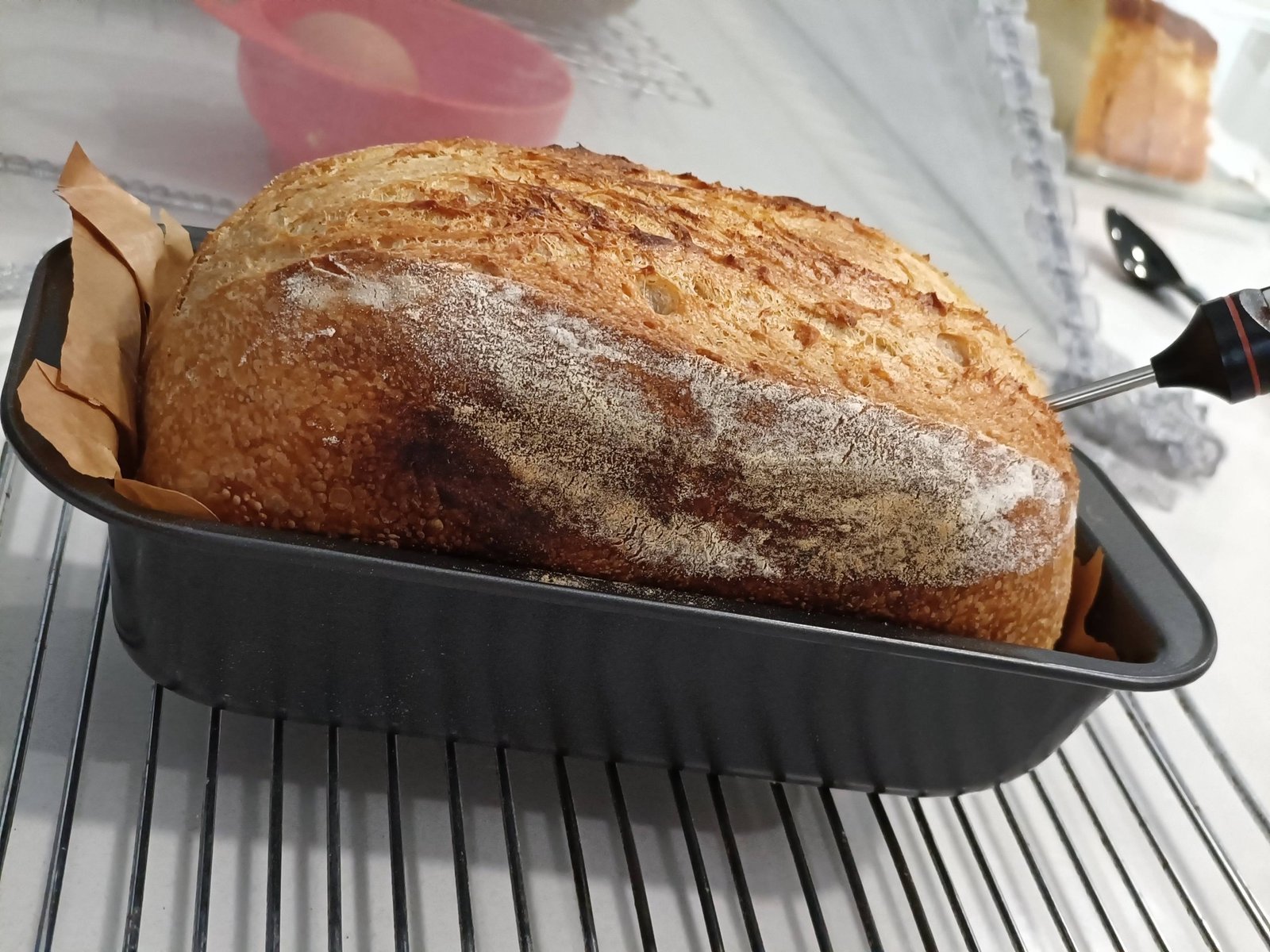
Sourdough Bread Recipe 🥖 | Easy Homemade Artisan Loaf)
Sourdough bread is one of the oldest and most traditional types of bread in the world. Unlike modern bread that uses commercial yeast, sourdough relies on a natural fermentation process using wild yeast and beneficial bacteria. This gives the bread a unique flavor, better texture, and longer shelf life. Many bakers love sourdough because it feels more “real,” more natural, and more satisfying to bake at home.
In this recipe, we will go step by step through the full sourdough bread process—from mixing the dough to baking a beautiful golden loaf. This guide is designed for beginners as well as home bakers who want to improve their sourdough skills.
What Makes Sourdough Special?
Sourdough bread is different from regular bread in many ways. The biggest difference is the natural fermentation process. Instead of using instant yeast, sourdough uses a starter, which is a mixture of flour and water that has been fermented over time.
This starter contains:
- Wild yeast (for rising)
- Lactic acid bacteria (for flavor)
Because of this combination, sourdough bread has:
- A slightly tangy taste
- A chewy and airy crumb
- A crisp, golden crust
- Better digestibility
- No artificial yeast
Another special thing about sourdough is time. It cannot be rushed. The slow fermentation process is what develops the deep flavor and beautiful texture.
Ingredients for Sourdough Bread
This recipe uses very simple ingredients that you probably already have in your kitchen.
- 500g bread flour (or strong all-purpose flour)
- 350g water (room temperature)
- 100g active sourdough starter
- 10g salt
Optional Ingredients:
- 1 tsp honey (adds slight softness and flavor)
- 1 tbsp olive oil (improves texture)
Even though the ingredients are simple, the magic happens in the process.
Step 1: Preparing the Dough (Mixing Stage)
Start by adding the flour and water into a large mixing bowl. Mix them together until no dry flour remains. The dough will look rough and sticky at this stage.
Now let the mixture rest for 30 to 45 minutes. This resting period is called autolyse. During this time, the flour absorbs water and gluten begins to develop naturally. This makes the dough easier to handle later.
After resting, add:
- Active sourdough starter
- Salt
Mix everything together until the dough becomes smooth and slightly sticky. You don’t need to knead aggressively; just combine everything well.
Step 2: Bulk Fermentation (Most Important Stage)
Cover the bowl with a cloth or lid and leave it at room temperature for 4 to 6 hours. This is called bulk fermentation.
During this time:
- The dough will rise slowly
- Gas bubbles will form inside
- The flavor will develop deeply
Every 30–45 minutes during the first 2–3 hours, perform stretch and folds. This means gently lifting one side of the dough and folding it over itself. Do this from all four sides.
Stretch and folds help:
- Build gluten strength
- Improve dough elasticity
- Trap air for better rise
By the end of fermentation, the dough should look:
- Puffy
- Soft
- Full of air bubbles
- Slightly jiggly
Step 3: Pre-Shaping the Dough
Once the dough has completed bulk fermentation, gently remove it from the bowl onto a lightly floured surface.
Shape it into a loose round ball. This is called pre-shaping.
Let it rest for 15–20 minutes. This resting allows the gluten to relax, making final shaping easier.
Step 4: Final Shaping
Now shape the dough into your final loaf shape. You can make:
- Round loaf (boule)
- Oval loaf (batard)
- Or place it into a loaf pan
For a loaf pan sourdough:
- Lightly grease the pan or line it with baking paper
- Place dough inside gently
- Make sure it fits nicely but still has space to rise
A tight shaping helps the bread hold structure and rise better in the oven.
Step 5: Final Proofing
This is the last resting stage before baking.
You have two options:
Option 1: Room Temperature Proof
- 1.5 to 3 hours
- Dough should rise slightly and become airy
Option 2: Cold Proof (Recommended)
- Place dough in fridge overnight (8–12 hours)
- Develops deeper flavor
- Easier to score and bake
During proofing, the dough continues fermenting slowly and builds more flavor.
Step 6: Baking the Sourdough Bread
Preheat your oven to 220°C (428°F). A hot oven is very important for good oven spring (rise in oven).
If possible, use steam:
- Place a tray of hot water in oven
OR - Spray water inside oven walls
Steam helps create a crispy crust.
Baking Process:
- Place dough inside oven
- Bake for 20 minutes with steam
- Then remove steam source
- Bake another 20–25 minutes
The bread is ready when:
- Crust is golden brown
- Bottom sounds hollow when tapped
- Internal structure looks airy
Step 7: Cooling the Bread
After baking, remove the bread and place it on a cooling rack.
Let it cool for at least 1 hour before slicing.
This step is very important because:
- Steam is still inside the bread
- Cutting too early can make it gummy
- Flavor improves as it cools
Patience here gives the best texture.
Tips for Perfect Sourdough Bread
Here are some helpful tips to improve your sourdough baking:
- Always use an active starter (bubbly and doubled in size)
- Don’t rush fermentation time
- Keep dough slightly sticky for better crumb
- Use stretch and folds instead of heavy kneading
- Maintain warm room temperature for fermentation
- Bake with steam for crispy crust
- Always cool completely before slicing
Common Mistakes to Avoid
Many beginners struggle with sourdough. Here are common mistakes:
- Using inactive starter
- Under-proofing or over-proofing dough
- Cutting bread while hot
- Adding too much flour during shaping
- Not giving enough fermentation time
Avoiding these mistakes will improve your results quickly.
Serving Ideas
Sourdough bread is very versatile. You can enjoy it in many ways:
- Toast with butter and jam
- Grilled cheese sandwiches
- Avocado toast
- Garlic bread
- French toast
- Served with soups or stews
Its tangy flavor pairs well with both sweet and savory foods.
Why You Should Bake Sourdough at Home
Baking sourdough at home is not just about food—it’s an experience. It teaches patience, observation, and skill. Every loaf is slightly different, and that makes it special.
You also get:
- Healthier bread
- No preservatives
- Better digestion
- Fresh homemade taste
- Satisfaction of baking from scratch
Once you start baking sourdough, it often becomes a relaxing and enjoyable hobby.
Final Thoughts
Sourdough bread is simple in ingredients but deep in technique. With just flour, water, salt, and a starter, you can create bakery-quality bread at home. The key is patience and practice.
Every bake teaches something new. Even if your first loaf is not perfect, each attempt brings improvement. Over time, you will develop your own style and confidence.
Homemade sourdough is more than just bread—it’s a craft, a tradition, and a rewarding journey. 🥖