
The Zero-Waste Sourdough Starter Routine Recipe🥖✨
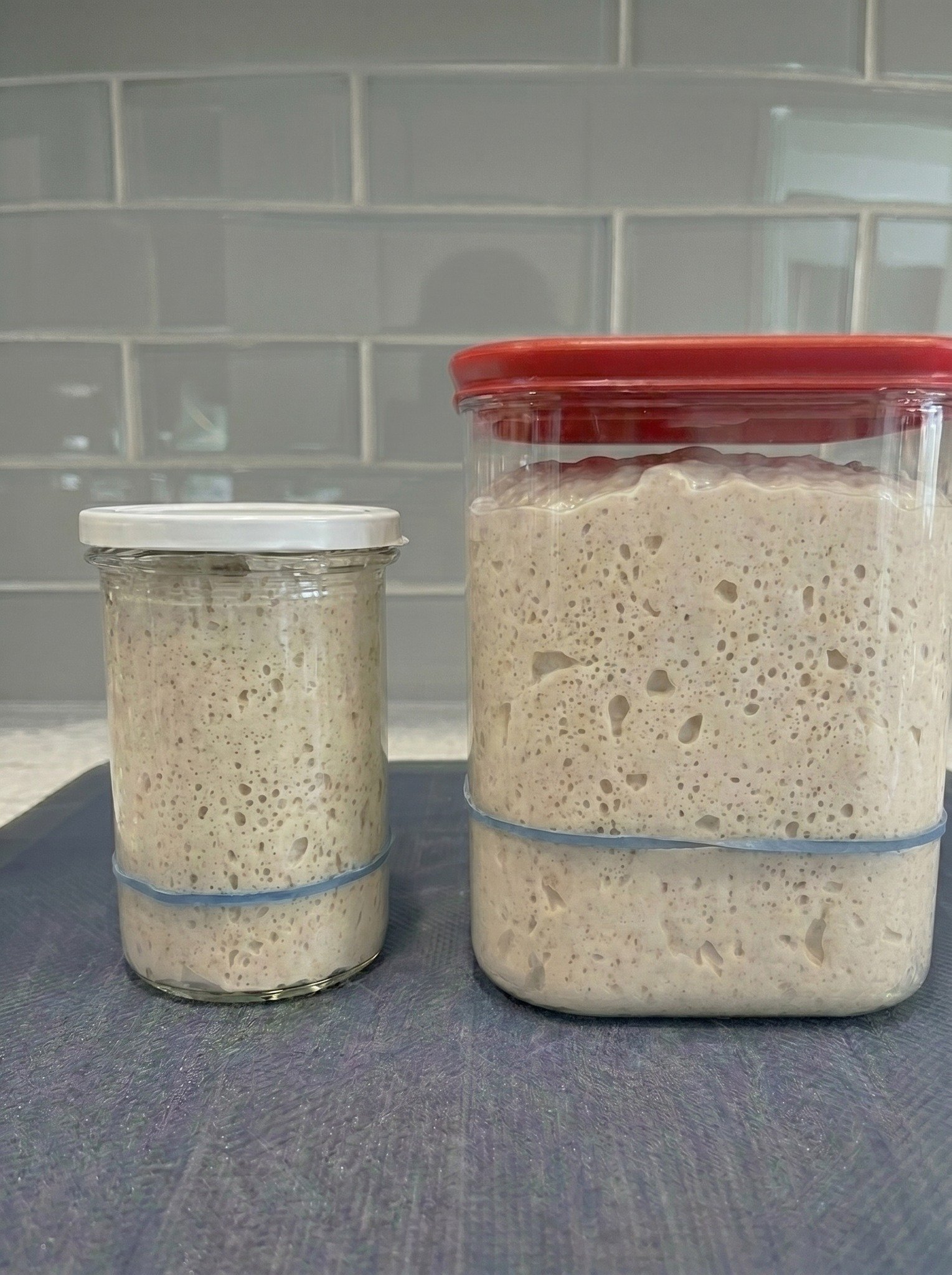
If you’re tired of throwing away sourdough starter every week, this simple zero-waste system will completely change the way you manage your starter. Once your sourdough starter becomes strong enough to consistently double, triple, or even quadruple after feeding, maintaining it stops feeling confusing and starts becoming effortless.
This method is designed to keep your starter active, healthy, and ready for baking without constant discard, complicated schedules, or unnecessary waste. With just a little math and a consistent routine, you can maintain the same jar of starter week after week with almost no effort.
Whether you’re new to sourdough or already baking every weekend, this routine makes sourdough maintenance simple, predictable, and stress-free.
Why This Sourdough System Works
Most sourdough beginners struggle with:
- Wasting flour during feedings
- Confusing feeding schedules
- Weak or sluggish starters
- Overly sour starter flavor
- Not knowing when to feed
This system solves all of those problems by creating a repeatable weekly cycle.
The secret is maintaining a strong starter with intentional feed ratios while only keeping the amount you actually need.
Once your starter becomes reliable, the process feels automatic.
The Weekly Zero-Waste Routine
Here’s the exact routine step-by-step.
Step 1: Store Your Starter in the Fridge
At the end of bake day, your jar should contain about:
- 228g active starter
This stays in the refrigerator throughout the week.
Because it’s cold, fermentation slows down naturally, allowing the starter to stay healthy without daily feeding.
Step 2: Use Starter on Bake Day
When it’s time to bake again:
- Remove the starter from the fridge
- Scoop out 200g directly into your dough
This leaves:
- 28g starter remaining in the jar
No discard. No waste.
That remaining starter becomes the base for your next feeding.
The Feeding Formula
This system uses a slightly stiff feeding ratio:
1 : 4 : 3 Ratio
That means:
- 1 part starter
- 4 parts flour
- 3 parts water
Starting with 28g leftover starter:
- 28g starter
- 114g flour
- 86g water
Total = approximately 228g starter again.
The formula looks like this:
28.5 + (28.5 \times 4) + (28.5 \times 3) = 228
This brings the jar right back to the same amount every single week.
Simple. Repeatable. Reliable.
Why the Stiff Feeding Ratio Matters
A slightly stiffer starter has several benefits:
- Builds stronger fermentation power
- Keeps the starter concentrated
- Prevents excessive acidity
- Helps maintain structure and strength
- Slows fermentation slightly for better timing
Many bakers accidentally weaken their starter by overfeeding too early or using overly wet feedings.
This method avoids both problems.
The Two Most Important Rules
1. Never Feed Before Peak
Feeding too early weakens your starter over time.
Always wait until your starter has fully peaked and begun flattening slightly before feeding again.
A strong starter should:
- Rise predictably
- Hold bubbles throughout
- Smell pleasantly tangy
- Double or triple consistently
Patience is critical.
2. Watch the Starter, Not the Clock
Higher feeding ratios naturally take longer to peak.
A 1:1:1 feeding may peak quickly, while a 1:4:3 feeding needs more time.
Temperature, flour type, and starter strength all affect fermentation speed.
Instead of watching hours, learn to recognize your starter’s behavior.
That’s the moment sourdough finally starts making sense.
What If Your Starter Gets Too Sour?
Sometimes during the week your starter may become overly acidic or sharp-smelling.
When that happens, use a reset feeding.
The 1:10:10 Reset
Feed your starter using:
- 1 part starter
- 10 parts flour
- 10 parts water
This reduces acidity and refreshes the yeast balance.
After one strong rise, return to your normal feeding routine.
Signs of a Healthy Starter
A healthy sourdough starter should:
- Double or triple after feeding
- Have lots of bubbles
- Smell slightly sweet and tangy
- Pass the peak slowly
- Feel airy and elastic
If your starter struggles to rise, it usually needs:
- More warmth
- More time
- Stronger flour
- Consistent feeding timing
Best Flour for Strong Starter Growth
For the strongest activity, try using:
- Bread flour
- Whole wheat flour
- Rye flour
Whole grain flours especially help boost fermentation because they contain more nutrients and natural yeast.
Many bakers use:
- 90% bread flour
- 10% rye or whole wheat
for a balanced and powerful starter.
Why Zero-Waste Sourdough Matters
Traditional sourdough instructions often encourage constant discard, which wastes:
- Flour
- Time
- Energy
This system keeps only what you actually need.
That means:
- Less waste
- Lower cost
- Easier maintenance
- Cleaner routine
- More confidence
Once you understand the math, sourdough becomes incredibly simple.
Troubleshooting Tips
Starter Isn’t Rising
Possible causes:
- Room too cold
- Feeding too early
- Weak flour
- Starter still immature
Try warmer temperatures and longer fermentation time.
Starter Smells Like Vinegar
Your starter is becoming too acidic.
Use a reset feeding:
1:10:10
Then return to your normal routine.
Starter Peaks Too Fast
Your room may be very warm.
Options:
- Use colder water
- Reduce starter amount
- Refrigerate sooner
Final Thoughts 🤍
This zero-waste sourdough starter system removes the stress from sourdough baking. Once your starter becomes strong and predictable, maintaining it becomes second nature.
No more endless discard jars.
No more guessing.
No more complicated schedules.
Just a simple weekly rhythm that keeps your starter healthy, active, and ready to bake whenever you are.
The best part is that this method scales perfectly. Whether you bake one loaf a week or multiple loaves every weekend, the same feeding math always works.
Once it clicks, you stop overthinking sourdough entirely — and that’s when the real magic begins. 🥖✨