
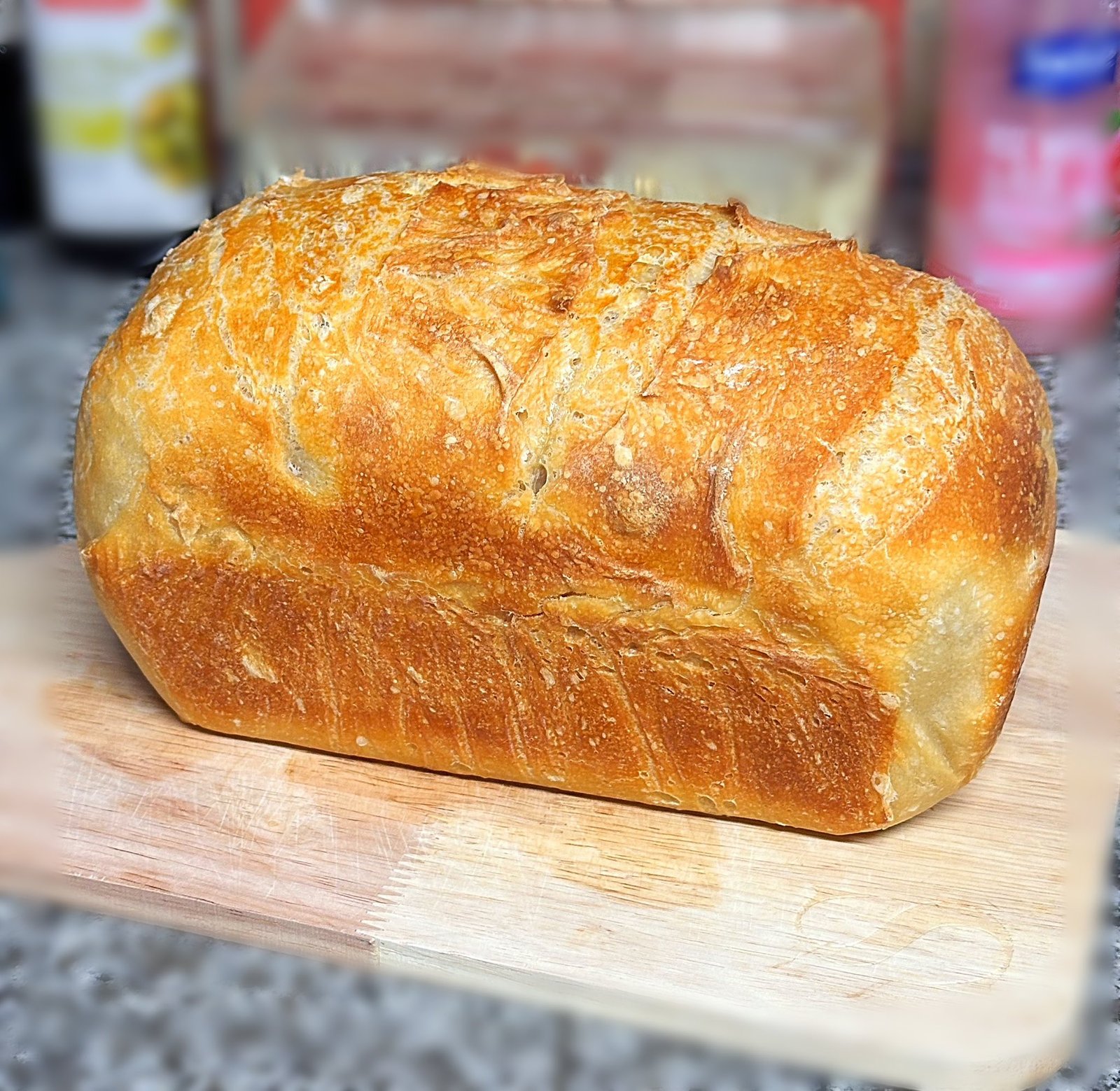
Homemade Sourdough Sandwich Bread Recipe 🍞
There’s nothing better than the smell of freshly baked sourdough bread filling your kitchen. This homemade sourdough sandwich loaf is soft on the inside, golden and crispy on the outside, and perfect for everyday use. Whether you enjoy it toasted with butter, used for sandwiches, or served alongside soup, this loaf delivers incredible flavor and texture with simple ingredients.
Unlike traditional sourdough artisan bread, this loaf is baked in a bread pan, giving it a soft sandwich-style texture while still keeping the rich tangy flavor that sourdough lovers enjoy. It’s beginner-friendly, naturally fermented, and made without commercial yeast.
If you’ve been searching for the perfect homemade sourdough sandwich bread recipe, this one is soft, fluffy, flavorful, and easy to make.
Why You’ll Love This Recipe
This sourdough sandwich bread is:
- Soft and fluffy
- Naturally fermented
- Perfect for sandwiches and toast
- Made with simple pantry ingredients
- Beginner-friendly
- Free from commercial yeast
- Deliciously golden and crusty
The long fermentation process creates a deeper flavor while improving the bread’s texture and freshness.
Ingredients
For the Dough
- 100g active sourdough starter
- 350g warm water
- 500g bread flour
- 10g salt
- 20g honey or sugar
- 25g softened butter or olive oil
Equipment Needed
- Large mixing bowl
- Bread loaf pan
- Kitchen scale
- Dough scraper
- Clean towel or plastic wrap
What Makes Sourdough Bread Special?
Sourdough bread is made using a natural starter instead of instant yeast. The starter contains wild yeast and beneficial bacteria that slowly ferment the dough over time.
This slow fermentation creates:
- Better flavor
- Improved texture
- Longer shelf life
- Easier digestion
- Beautiful crust
The slight tanginess and chewy texture make sourdough bread unique compared to regular bread.
Step 1: Feed Your Sourdough Starter
Before making the dough, make sure your sourdough starter is active and bubbly.
Feed your starter about 4–6 hours before baking. It should double in size and pass the float test, meaning a spoonful floats in water.
An active starter is the key to getting a good rise and soft loaf.
Step 2: Mix the Dough
In a large bowl, combine:
- Active sourdough starter
- Warm water
- Honey or sugar
Mix until the starter dissolves.
Add the bread flour and salt. Stir until no dry flour remains. Add softened butter or olive oil and continue mixing until a rough dough forms.
The dough may feel slightly sticky at first, which is completely normal.
Cover the bowl and let the dough rest for 30 minutes.
This resting period is called autolyse, which helps develop gluten naturally.
Step 3: Stretch and Fold
After resting, begin the stretch and fold process.
Grab one side of the dough, stretch it upward, and fold it over itself. Rotate the bowl and repeat this process four times.
Cover the bowl and rest for 30 minutes.
Repeat the stretch and fold process 3–4 times over the next 2 hours.
This technique strengthens the dough without heavy kneading and helps create a soft and airy loaf.
As the dough develops, it will become smoother and easier to handle.
Step 4: Bulk Fermentation
Once the folds are complete, cover the dough and let it rise at room temperature until doubled in size.
This usually takes 4–6 hours depending on the temperature of your kitchen.
A warm kitchen speeds up fermentation while a cooler kitchen takes longer.
You’ll know the dough is ready when it looks puffy, airy, and slightly jiggly.
Step 5: Shape the Dough
Transfer the dough onto a lightly floured surface.
Gently flatten the dough into a rectangle, then tightly roll it into a loaf shape.
Pinch the seams closed and place the dough seam-side down into a greased loaf pan.
Proper shaping creates tension on the surface of the dough, helping the loaf rise beautifully in the oven.
Step 6: Final Proof
Cover the loaf pan with plastic wrap or a towel and allow the dough to rise again until it rises just above the edge of the pan.
This can take 2–4 hours depending on room temperature.
For extra flavor, you can place the loaf in the refrigerator overnight and bake the next day.
Cold fermentation enhances the sourdough taste and improves texture.
Step 7: Bake the Bread
Preheat your oven to 375°F (190°C).
Bake the sourdough loaf for 40–45 minutes or until the top becomes deep golden brown.
The bread should sound hollow when tapped on the bottom.
If the top browns too quickly, loosely cover it with foil during the last 10 minutes of baking.
Cooling the Bread
Remove the bread from the loaf pan immediately after baking and transfer it to a wire rack.
Allow the bread to cool completely before slicing.
Cutting hot bread too early can make the inside gummy because the crumb is still setting.
The cooling step is important for achieving the perfect texture.
Tips for Perfect Sourdough Sandwich Bread
Use Bread Flour
Bread flour creates better gluten development and gives the loaf a soft chewy texture.
Don’t Rush Fermentation
Sourdough takes time. Slow fermentation creates better flavor and texture.
Avoid Too Much Flour
Sticky dough is normal. Adding too much flour can make the bread dense.
Use an Active Starter
A weak starter may result in a flat loaf with poor rise.
How to Store Sourdough Bread
Store the bread in a bread bag, airtight container, or wrapped in a clean towel at room temperature for up to 4 days.
Avoid refrigerating because it dries out the bread faster.
You can also freeze slices individually for quick breakfasts and toast.
Best Ways to Enjoy This Bread
This homemade sourdough sandwich bread is perfect for:
- Toast with butter
- Grilled cheese sandwiches
- French toast
- Avocado toast
- Breakfast sandwiches
- Garlic bread
- Soup side dishes
The soft crumb and crispy crust make it versatile for both sweet and savory meals.
Common Sourdough Problems
Dense Bread
Usually caused by under-fermentation or inactive starter.
Flat Loaf
The dough may have over-proofed or lacked enough gluten strength.
Gummy Texture
The bread was sliced before cooling completely.
Hard Crust
Bake with a small tray of water in the oven to create steam.
Why Homemade Bread Is Worth It
Making sourdough bread at home is more than just baking. It’s a relaxing and rewarding process that fills your kitchen with warmth and incredible aromas.
Homemade bread contains simple ingredients without unnecessary preservatives, and every loaf feels special because it’s made by hand.
The crusty golden exterior and soft airy interior make every slice taste fresh and comforting.
Final Thoughts
This homemade sourdough sandwich bread recipe is soft, flavorful, and perfect for everyday baking. With its golden crust, fluffy texture, and rich sourdough flavor, it’s a loaf you’ll want to bake again and again.
Whether you are new to sourdough baking or already love making bread at home, this recipe is simple, reliable, and delicious. Once you taste fresh homemade sourdough bread straight from the oven, store-bought bread will never feel the same again.