
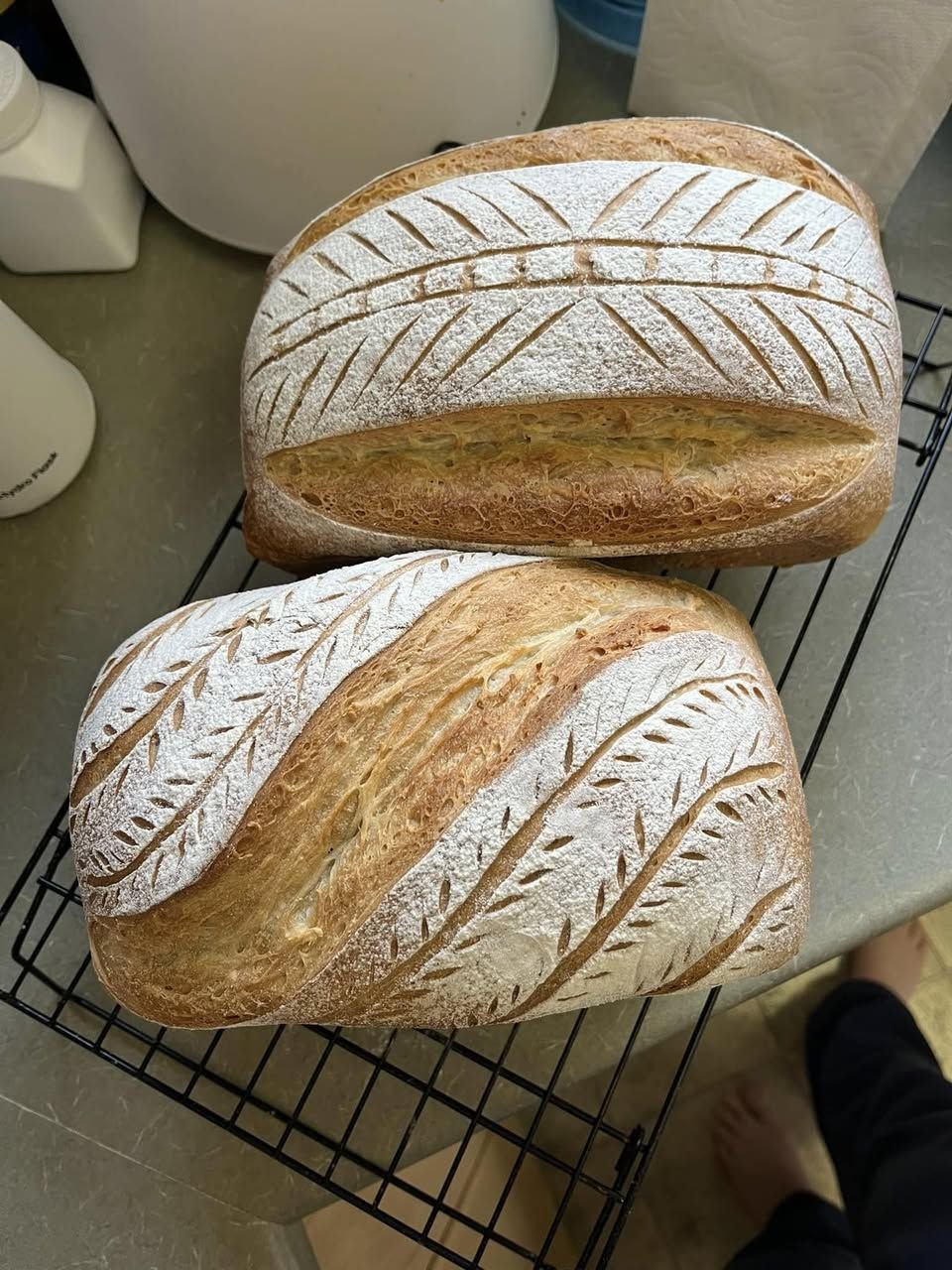
Sourdough Sandwich Bread is a soft, fluffy and flavorful homemade bread that combines the natural tang of sourdough with the light, tender texture of classic sandwich bread. Unlike crusty artisan loaves, this version is designed to be soft enough for everyday sandwiches, toast, and even kids’ lunchboxes, while still keeping that signature sourdough depth of flavor.
This recipe is perfect if you love homemade bread but want something more versatile and easy to use for daily meals. The long fermentation process not only improves taste but also makes the bread easier to digest and gives it a beautiful airy structure.
🥖 Sourdough Sandwich Bread – Full Blog Recipe
✨ Why You’ll Love This Bread
This sourdough sandwich bread is everything a homemade loaf should be:
- Soft and fluffy texture
- Light tangy sourdough flavor
- Perfect for sandwiches, toast, or French toast
- No preservatives or artificial ingredients
- Stays fresh longer than regular homemade bread
It is a great beginner-friendly sourdough recipe because it uses simple ingredients and a straightforward shaping method.
🧾 Ingredients
To make this soft sourdough sandwich bread, you only need basic pantry ingredients:
- 1 cup active sourdough starter (227g)
- 2 1/2 cups room temperature water (590g)
- 8 cups all-purpose flour (1120g)
- 1/2 cup softened butter or coconut oil (113g)
- 2 tablespoons honey or sugar (honey gives richer flavor, sugar gives neutral sweetness)
- 1 tablespoon salt (17g)
💡 Tip: Make sure your sourdough starter is active and bubbly for best rise and texture.
👩🍳 Step-by-Step Instructions
1. Mix the Dough
In a large mixing bowl or stand mixer, add the sourdough starter, water, honey (or sugar), and softened butter. Mix well until combined.
Gradually add the flour and salt. Mix until a rough dough forms. The dough will look slightly sticky at this stage, which is completely normal.
2. Knead Until Smooth
Knead the dough using a stand mixer or by hand for about 8–10 minutes.
The dough should become:
- Smooth
- Elastic
- Slightly tacky but not overly sticky
To check if it is ready, perform the windowpane test: stretch a small piece of dough between your fingers. If it stretches thin without tearing easily, it is ready.
3. Bulk Fermentation (First Rise)
Place the dough in a lightly greased bowl and cover it with a clean cloth or plastic wrap.
Let it rest at room temperature for 10–12 hours, depending on your kitchen temperature.
During this time, the sourdough starter works slowly, developing flavor and structure. The dough should roughly double in size and feel airy.
4. Divide and Shape
Once the dough has risen, gently punch it down to release air.
Divide it into two equal portions.
Shape each portion into a rectangle on a lightly floured surface, then roll it tightly into a log shape. This helps create the classic sandwich bread structure.
Place each rolled dough into a greased or parchment-lined loaf pan.
5. Second Rise
Cover the loaf pans and let the dough rise again for 2–4 hours.
The dough should rise and become puffy, slightly above the edge of the pan.
Be careful not to over-proof, as it may collapse during baking.
6. Bake the Bread
Preheat your oven to 375°F (190°C).
For a shiny golden crust, you can brush the tops with an egg wash before baking.
Bake the loaves for 40–45 minutes, or until:
- The top is golden brown
- The loaf sounds hollow when tapped
7. Cool Completely
Remove the bread from the pans and place it on a wire rack.
Let it cool completely before slicing. This step is very important because cutting too early can make the bread gummy inside.
🥪 How to Use Sourdough Sandwich Bread
This bread is incredibly versatile. You can use it for:
- Classic sandwiches (chicken, egg, tuna, veggie)
- Toast with butter and jam
- Grilled cheese sandwiches
- French toast breakfast
- School lunch boxes
- Afternoon tea snacks
Its soft texture makes it perfect for both sweet and savory fillings.
💡 Pro Tips for Perfect Results
- Always use an active sourdough starter for best rise
- Do not rush fermentation; slow rise = better flavor
- If your kitchen is cold, let dough rise longer
- Add a little extra flour if dough feels too sticky
- Use a kitchen scale for accurate results
🧠 Why Sourdough is Special
Sourdough bread is naturally fermented using wild yeast and bacteria. This process:
- Enhances flavor
- Improves texture
- Makes bread easier to digest
- Increases shelf life naturally
That’s why homemade sourdough sandwich bread tastes richer and feels lighter compared to store-bought bread.
❤️ Final Thoughts
This Sourdough Sandwich Bread is the perfect everyday bread for families who love fresh, homemade baking. It’s soft enough for kids, flavorful enough for adults, and versatile enough for any meal of the day.
Once you try it, you’ll probably stop buying regular sandwich bread altogether because nothing beats the taste and freshness of homemade sourdough.