
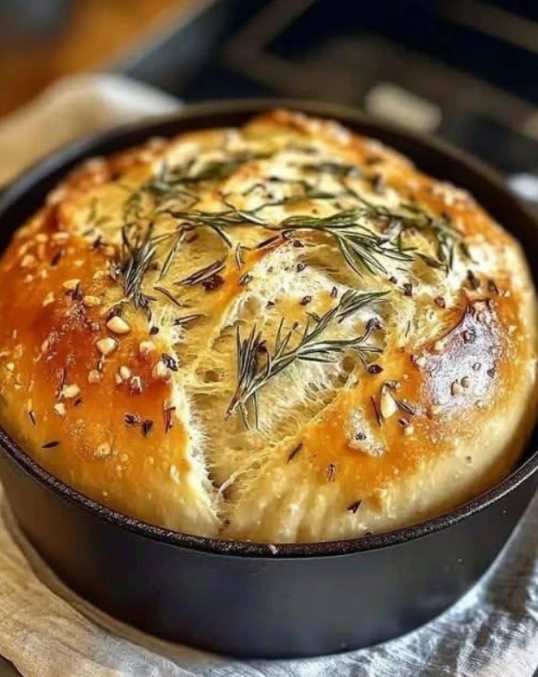
Japanese Garlic Bread Rolls – Ultra Soft, Buttery & Full of Garlic Flavor
There is something incredibly comforting about warm homemade bread fresh out of the oven. These Japanese Garlic Bread Rolls are soft, fluffy, buttery, and packed with rich garlic flavor in every bite. What makes them special is the Japanese-style bread technique called Tangzhong, a simple cooked flour paste that gives the rolls their famous cloud-like softness.
If you have ever tasted bakery-style Japanese milk bread, then you already know how light and pillowy it feels. These garlic bread rolls use the same method, but with a delicious buttery garlic topping that makes them impossible to resist. They are perfect for dinner, tea time, family gatherings, or even as a side with soup and pasta.
The best part is that this recipe is beginner-friendly. Even if you are making bread for the first time, you can easily follow the steps and get bakery-style results at home.
Why You’ll Love These Japanese Garlic Bread Rolls
These rolls are:
- Super soft and fluffy
- Loaded with buttery garlic flavor
- Easy to make at home
- Perfect for beginners
- Great for dinner sides or snacks
- Soft even the next day
The tangzhong method keeps the bread moist for longer, which means the rolls stay fresh and soft instead of becoming dry quickly.
What is Tangzhong?
Tangzhong is a Japanese bread-making technique where flour and water are cooked together into a thick paste before adding to the dough. This method helps the dough absorb more moisture, resulting in softer and fluffier bread.
It may sound fancy, but it only takes a few minutes to prepare and completely changes the texture of the bread.
Once you try it, you may never go back to regular bread dough again.
Ingredients You Will Need
For the Dough
- 2½ cups (300g) all-purpose flour
- 2 tbsp sugar
- 1 tsp salt
- 2 tsp instant yeast
- ½ cup (120ml) warm milk
- 1 egg
- 3 tbsp soft butter
For the Tangzhong
- 2 tbsp flour
- ½ cup water
For the Garlic Butter
- 3 tbsp melted butter
- 3 cloves garlic, finely chopped
- 1 tbsp parsley (optional)
- Pinch of salt
Step-by-Step Instructions
Step 1: Prepare the Tangzhong
In a small pan, combine the flour and water.
Cook on low heat while stirring continuously. After a few minutes, the mixture will become thick like a smooth paste.
Once thickened, remove from heat and allow it to cool completely.
This small step is the secret behind the incredibly soft texture of Japanese bread rolls.
Step 2: Make the Dough
In a large mixing bowl, add:
- Flour
- Sugar
- Salt
- Instant yeast
Mix the dry ingredients well.
Now add:
- Warm milk
- Egg
- Prepared tangzhong
Mix everything together until a rough dough forms.
The dough may feel slightly sticky at first, which is completely normal.
Step 3: Knead the Dough
Transfer the dough onto a clean surface.
Knead for about 8–10 minutes until the dough becomes smooth and elastic.
Once the dough starts coming together nicely, add the soft butter little by little and continue kneading.
At first, the butter may make the dough slippery, but keep kneading patiently. Soon the dough will become silky, soft, and stretchy.
A properly kneaded dough gives the best fluffy bread texture.
Step 4: First Rise
Place the dough into a lightly greased bowl.
Cover it with a towel or plastic wrap and let it rest in a warm place for about 1 to 1½ hours.
The dough should double in size.
This resting time allows the yeast to work and creates airy, soft bread.
Step 5: Shape the Rolls
Once the dough has risen, gently punch out the air.
Divide the dough into 8–10 equal portions.
Shape each piece into smooth balls by pulling the edges underneath.
Place the dough balls into a greased baking tray, leaving a little space between them.
Step 6: Second Rise
Cover the tray lightly and allow the rolls to rise again for 30–40 minutes.
During this time, the rolls will puff up beautifully and become soft and airy.
Do not skip this second rise because it helps create light bakery-style bread.
Step 7: Bake the Rolls
Preheat your oven to 180°C (350°F).
Bake the rolls for 15–18 minutes or until the tops turn beautifully golden brown.
Every oven is slightly different, so keep an eye on them during the last few minutes.
Do not overbake, otherwise the bread may become dry.
Step 8: Garlic Butter Finish
While the rolls are still warm, mix together:
- Melted butter
- Garlic
- Parsley
- Salt
Brush the garlic butter generously over the hot bread rolls.
The warm bread absorbs the buttery garlic flavor beautifully, making the rolls extra delicious and aromatic.
Serve immediately for the best taste.
Pro Tips for Perfect Japanese Bread Rolls
1. Never Skip Tangzhong
Tangzhong is the key to Japanese-style softness. It keeps the bread moist, fluffy, and fresh longer.
2. Use Warm Milk, Not Hot
If the milk is too hot, it can kill the yeast. Warm milk helps activate the yeast properly.
3. Knead Well
Good kneading develops gluten, which creates soft and stretchy bread.
If the dough feels sticky, avoid adding too much extra flour.
4. Fresh Garlic Gives Best Flavor
Freshly chopped garlic tastes much better than garlic powder in this recipe.
It creates a rich bakery-style garlic butter flavor.
5. Do Not Overbake
Japanese bread should stay soft and tender.
Remove the rolls once they turn light golden brown.
Serving Ideas
These garlic bread rolls taste amazing with:
- Pasta
- Creamy soups
- Chicken dishes
- Tea or coffee
- Cheese dips
- BBQ meals
They are also delicious on their own as a snack.
Storage Tips
Store leftover rolls in an airtight container at room temperature for up to 2 days.
To reheat:
- Microwave for 10–15 seconds
OR - Warm in the oven for a few minutes
You can also freeze the rolls and reheat later.
Final Thoughts
These Japanese Garlic Bread Rolls are the perfect combination of softness, buttery richness, and garlic flavor. Thanks to the tangzhong method, the texture stays light, fluffy, and bakery-quality every single time.
Whether you serve them with dinner or enjoy them fresh from the oven, these rolls are guaranteed to become a family favorite. Once you taste that soft, warm bread brushed with garlic butter, you will want to make them again and again.
Homemade bread may seem difficult at first, but this recipe proves that anyone can create soft and delicious bakery-style rolls right in their own kitchen.